Dilley Immigration Center Under Fire as 215K Sign Petition Backed by Jessica Alba and Jodie Foster
The South Texas family detention facility holds migrant parents and children
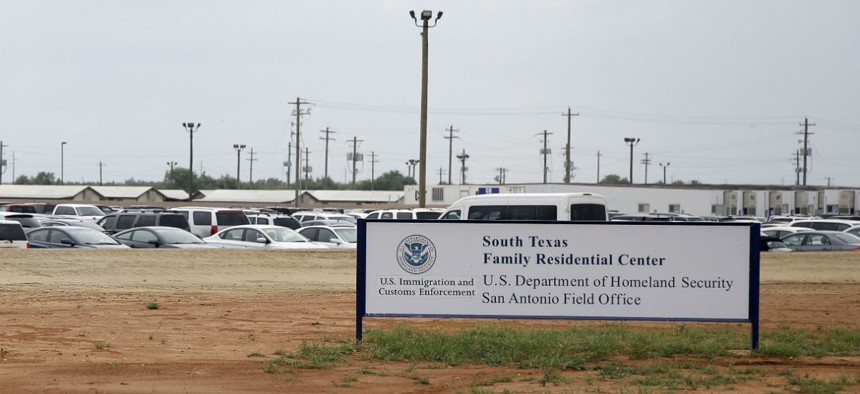
Pressure is mounting on one of the country's most controversial immigration detention sites after more than 215,000 people signed an open letter calling for the closure of the Dilley Immigration Processing Center in South Texas, a CoreCivic-run family detention facility that holds migrant parents and children. The growing campaign has drawn support from high-profile names including Janelle Monáe, Jodie Foster, Spike Lee, Joan Baez, Quinta Brunson, and Jessica Alba, turning what began as an advocacy push into a broader national flashpoint over family detention.
The latest surge in signatures was reported by Migrant Insider, which said the letter had crossed the 215,000 mark as artists, physicians, and immigration advocates joined forces to demand that federal officials and CoreCivic release children and shut the facility down. The petition argues that children should not be held in immigration custody and calls for families to be returned to their homes and communities while their cases proceed.
Dilley, located about 70 miles southwest of San Antonio, is listed by ICE as an active detention site, and CoreCivic says it has managed the facility since 2014. The center has long been a lightning rod in the debate over immigration enforcement, but it has come under especially intense scrutiny in recent months as accounts from detainees, lawmakers and child welfare advocates have revived longstanding concerns over conditions inside.
"Children held in immigration detention endure trauma, neglect and conditions that violate basic standards of health, safety, dignity and human rights," reads the letter, which calls for systemic change and accountability. "Court filings of abuse against children have included refusals to provide clean water, rotten food contaminated with worms, dangerous medical neglect, sleep deprivation, denial of legal counsel, the separation of children from their families, and retaliation against families protesting the inhumane conditions. Children belong in schools and on playgrounds, not in detention centers."
A recent Associated Press investigation described families reporting worms in food, delayed medical care, nonstop lighting and worsening trauma among detained children. Another report from the Texas Tribune detailed letters from one detained family alleging inadequate health care, inedible food and disregard for basic religious accommodations during a months-long confinement. Lawmakers who toured the site this week also said they planned to speak publicly about what they saw, amid fresh claims of unsafe conditions and poor medical attention.
The push against Dilley is also being fueled by medical groups. The American Academy of Pediatrics has repeatedly said children should not be detained, warning that even short periods in detention can trigger psychological trauma and long-term harm. On its public guidance page, the organization says children in these settings may lack adequate food, water, sleep and a sense of safety, all of which can deepen distress for families already fleeing violence or persecution.
That medical consensus has given the celebrity-backed campaign more weight than a typical petition drive. What makes this moment different is not just the famous names, but the coalition itself: entertainers, pediatricians, policy advocates and ordinary supporters all rallying around the same demand. In immigration politics, where outrage is often loud but fleeting, Dilley is becoming a test case for whether public pressure can force a response from the federal government and from private contractors that profit from detention.
CoreCivic and federal officials have pushed back on the criticism. In recent statements, CoreCivic said Dilley provides a safe and respectful environment for families navigating immigration proceedings, while DHS has defended the facility and rejected allegations that detainees are being denied proper care. That denial sets up the central clash now surrounding Dilley: officials insist the center is being mischaracterized, while detainees, doctors, journalists and lawmakers say the stories coming out of South Texas point to something far more troubling.
For now, the facility remains open. But with the signature count rising, celebrity attention expanding and scrutiny intensifying around the treatment of migrant children, Dilley becoming a national symbol of the political and moral fight over whether the United States should still be locking up families at all.
Originally published on Latin Times
Subscribe to Latin Post!
Sign up for our free newsletter for the Latest coverage!
© 2026 Latin Post. All rights reserved. Do not reproduce without permission.


