Trump’s Latest Pardon in Texas Leaves Republican Allies Stunned: “Extremely Disappointed”
Democratic Representative Henry Cuellar has been pardoned by Trump for money laundering and bribery.
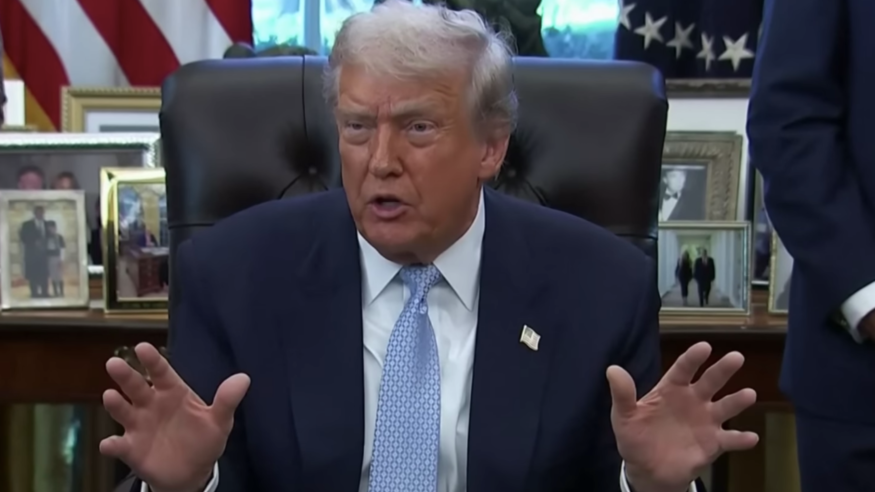
Texas Republicans were rattled and disappointed after U.S. President Donald Trump moved to pardon a Democratic representative, Henry Cuellar, who was facing federal corruption charges, undercutting a key campaign strategy for the Republican Party in the Lone Star state.
Earlier this month, Trump issued a full pardon to Cuellar and his wife, Imelda, ultimately ending a years-long legal battle stemming from a 2024 indictment on multiple charges of bribery, conspiracy, and money laundering tied to foreign and commercial interests. Trump announced his decision to pardon Cuellar on Truth Social, framing the case as politically motivated, as Cuellar had criticized former President Biden's immigration policy.
Zapata County Republican Chairwoman Jennifer Thatcher told The Texas Tribune that "the pardon felt like it was undermining the GOP's efforts. It just caused so many mixed messages for all of us. We're just trying to sift through it." Thatcher added that the pardon forced Republicans to reassess their messaging and electoral strategy.
Duval County Republican Party chair Mary Wilson echoed the sentiment, saying she was "extremely disappointed" that Trump would take an action that could bolster a Democratic incumbent at the expense of GOP prospects.
The fallout goes beyond local party officials. Though Texas remains a red state, Trump's pardon shifted the race dynamics, prompting forecasters like the nonpartisan Cook Political Report to adjust Texas's 28th District rating from "Toss Up" to "Lean Democrat," reflecting increased confidence among Democrats in Cuellar's reelection prospects.
Some GOP operatives had hoped a pardon might coax Cuellar to defect to the Republican Party, a maneuver that could have bolstered the GOP's slim House majority and served as a symbolic victory in a deeply competitive region. Instead, Cuellar filed for reelection as a Democrat shortly after receiving clemency, reaffirming his party allegiance and undercutting Republican hopes for a surprise crossover benefit from the pardon.
House Democratic Leader Hakeem Jeffries defended Cuellar after the pardon, describing him as a valued member of the House and the charges against him as "pretty thin." Jeffries said he had spent time with Cuellar and supported the outcome of the pardon, even as Republicans critiqued it.
Several House Democrats backed Cuellar's reinstatement to his leadership role on the House Appropriations Subcommittee for Homeland Security after the pardon. A majority of the Democratic members on that committee voted in secret to restore him as the top Democrat on that panel, signaling internal support among rank-and-file colleagues.
Adding to Republican frustration, Trump publicly rebuked Cuellar days after issuing the pardon, faulting the congressman for planning to run again as a Democrat rather than switching parties as some in the GOP had speculated might happen. Trump labeled Cuellar's decision a "lack of loyalty," expressing irritation that his clemency did not translate into political realignment.
Republicans in Texas have since been mobilizing behind Webb County Judge Tano Tijerina as their preferred challenger to unseat Cuellar. However, Álvaro Corral, an assistant political science professor at the University of Texas Rio Grande Valley, told the Tribune that Tijerina will likely not be able to criticize the pardon as voters might perceive him as an anti-Trump candidate.
Originally published on IBTimes
Subscribe to Latin Post!
Sign up for our free newsletter for the Latest coverage!
© 2026 Latin Post. All rights reserved. Do not reproduce without permission.


