Costco's Rotisserie Chicken Slammed After It Allegedly Has a Preservative Linked to Cardiovascular Concerns
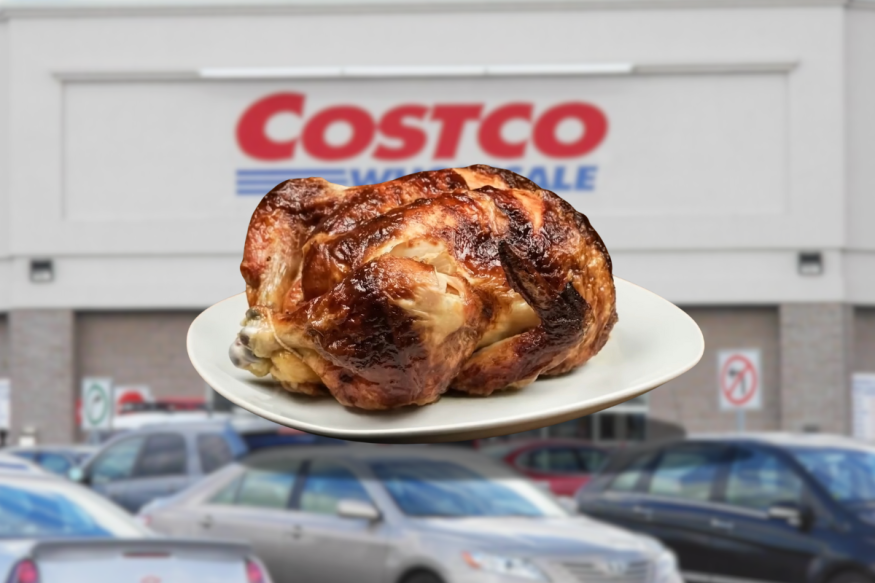
Two California consumers have filed a class-action lawsuit against Costco, accusing the retail giant of misleading millions of shoppers by marketing its Kirkland Signature Seasoned Rotisserie Chicken as containing 'no preservatives', while the product allegedly includes additives that health researchers have linked to cardiovascular concerns.
On 22 January 2026, court papers were filed in the San Diego federal court, targeting Costco directly. According to a press release from the Almeida Law Group, the plaintiffs claim that customers have lost significant sums — potentially hundreds of millions of dollars — due to misleading signage both in-store and online. They argue that this is not an isolated incident but part of a systematic pattern of misrepresentation.
What the Lawsuit Claims About Your Favourite Budget Meal
The lawsuit concentrates on two ingredients listed on Costco's rotisserie chicken: sodium phosphate and carrageenan. The complaint asserts that both act as preservatives by 'inhibiting spoilage, stabilising proteins, and extending shelf life' — directly contradicting Costco's prominent 'no preservatives' marketing claim.
'Consumers reasonably rely on clear, prominent claims like "No Preservatives", especially when deciding what they and their families will eat,' said Wesley M. Griffith, the plaintiffs' attorney. 'Costco's own ingredient list contradicts its marketing.'
The plaintiffs, Escondido resident Anastasia Chernov and Big Bear resident Bianca Johnston, allege they would not have purchased the chicken — or would have paid less — had they known it contained these additives. The lawsuit highlights industry research showing that consumers are increasingly seeking 'clean label' products, with approximately 70% now actively pursuing additive-free options.
Health Research Fuels the Controversy
While both sodium phosphate and carrageenan are approved by the US Food and Drug Administration as 'generally recognised as safe', health researchers have raised concerns about their potential health impacts.
A 2024 systematic review and meta-analysis found that individuals with higher blood phosphate levels faced a 44% greater risk of mortality from heart-related causes. The review, which examined 25 studies involving over 41,000 adults, noted that while the body absorbs almost all synthetic phosphates from processed foods, it handles phosphorus from unprocessed sources differently.
Carrageenan has also come under scientific scrutiny. A 2024 study published in BMC Medicine indicated that brief exposure to carrageenan could raise markers of leaky gut, and that individuals with higher body weight showed stronger signs of inflammation. Researchers have been closely examining this additive for some time.
How Costco Has Responded
Costco has acknowledged the use of both ingredients. According to the New York Post, a company spokesperson stated: 'We use carrageenan and sodium phosphate to support moisture retention, texture, and product consistency during cooking. Both ingredients are approved by food safety authorities.'
The retailer has also quietly removed statements related to preservatives from its store signage and online listings. However, Costco has not issued a public statement regarding the lawsuit itself.
Why This Matters for Health-Conscious Shoppers
This case arrives as Costco's rotisserie chicken continues to enjoy remarkable popularity. In fiscal year 2025, the company sold over 157 million chickens. Priced at $4.99 (£3.61) for more than 15 years, the chicken has become one of the retail sector's most iconic loss leaders.
For consumers, what's on the label may not always reflect what ends up in the shopping basket. Behind every jar or package, doubt may linger — now louder than ever. While legal definitions and court rulings will ultimately decide the case, at home, decisions are made without lawyers. The word 'natural' often sits alongside chemicals that many consumers can't pronounce. The real conversation about food safety and transparency happens in kitchens, not fine print. Trust begins to slip when packaging promises more than science can support.
Originally published on IBTimes UK
Subscribe to Latin Post!
Sign up for our free newsletter for the Latest coverage!
© 2026 Latin Post. All rights reserved. Do not reproduce without permission.


