Russia Celebrates Arrival of Oil Shipment to Cuba Despite U.S. Blockade: ‘We Consider It Our Duty’
The Kremlin has maintained that the shipment was coordinated in advance with the U.S. and framed it as part of broader support for a country facing mounting shortages.
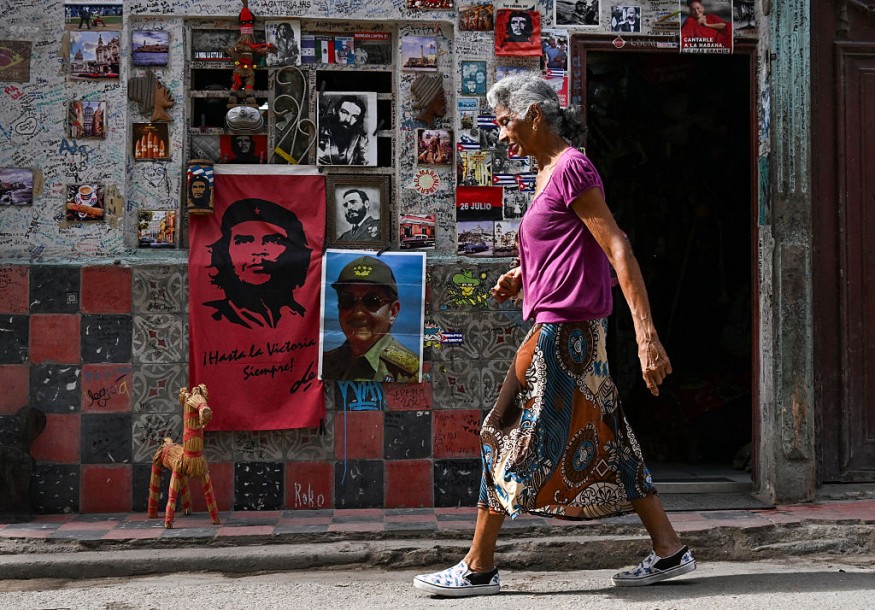
Russia welcomed the arrival of an oil shipment to Cuba, framing the delivery as humanitarian assistance despite ongoing U.S. restrictions that have contributed to a deepening energy crisis on the island.
The tanker Anatoly Kolodkin, carrying roughly 730,000 barrels of crude, reached Cuban waters in what marks the first such delivery since January, when supply disruptions intensified.
Kremlin spokesperson Dmitry Peskov said Moscow views the shipment as a responsibility toward an ally. "Russia considers it its duty not to stand aside, but to provide the necessary assistance to our Cuban friends," adding that officials were pleased the cargo had arrived, as RFI reports.
Peskov also said Russia was "glad" the shipment had reached the island, referring to the delivery as a necessary step amid what Moscow has described as U.S. pressure on Cuba's energy supply. The Kremlin has maintained that the shipment was coordinated in advance and framed it as part of broader support for a country facing mounting shortages.
The shipment comes amid shifting signals from Donald Trump, whose administration had effectively imposed a fuel blockade earlier this year. Over the weekend, Trump said he would not oppose countries sending oil to Cuba, stating: "We don't mind having somebody get a boatload because they need... they have to survive."
Trump added, however, that Cuba's situation would not change regardless of the delivery: "Whether or not they get a boat of oil, it's not going to matter." He said access to fuel was still necessary for basic services such as heating and electricity.
Cuban economist Elías Amor told RFI that the delivery could help stabilize electricity production in the short term but "will not resolve the situation" given broader structural constraints, including financing limitations and reduced access to global energy markets.
Cuba's energy crisis has worsened since January, when the U.S. captured Venezuelan leader Nicolás Maduro, cutting off a key source of subsidized oil. The disruption has led to daily blackouts, fuel shortages and mounting pressure on essential services.
The humanitarian implications have drawn increasing attention. Medical professionals cited by international media report that fuel shortages have disrupted hospital operations, forcing cancellations of surgeries and limiting access to treatments such as dialysis and chemotherapy. The World Health Organization has also warned that energy constraints are affecting emergency and intensive care services, as the BBC reports.
Originally published on Latin Times
Subscribe to Latin Post!
Sign up for our free newsletter for the Latest coverage!
© 2026 Latin Post. All rights reserved. Do not reproduce without permission.


