EXCLUSIVE - The Hidden Story Behind Sebastián Rulli’s Charro Suits in ’Mi Rival’ and It’s Surprising Connection with Legendary Jorge Negrete
The telenovela’s show runner Carmen Armendariz rooted the telenovela in authenticity, from its locations to its visual language

MEXICO CITY—Argentinian actor Sebastián Rulli has played many kinds of leading men on Mexican television, but TelevisaUnivision's Mi rival asks something more specific of him. It asks the telenovela star to step into one of the most loaded images in Mexican popular culture, the charro.
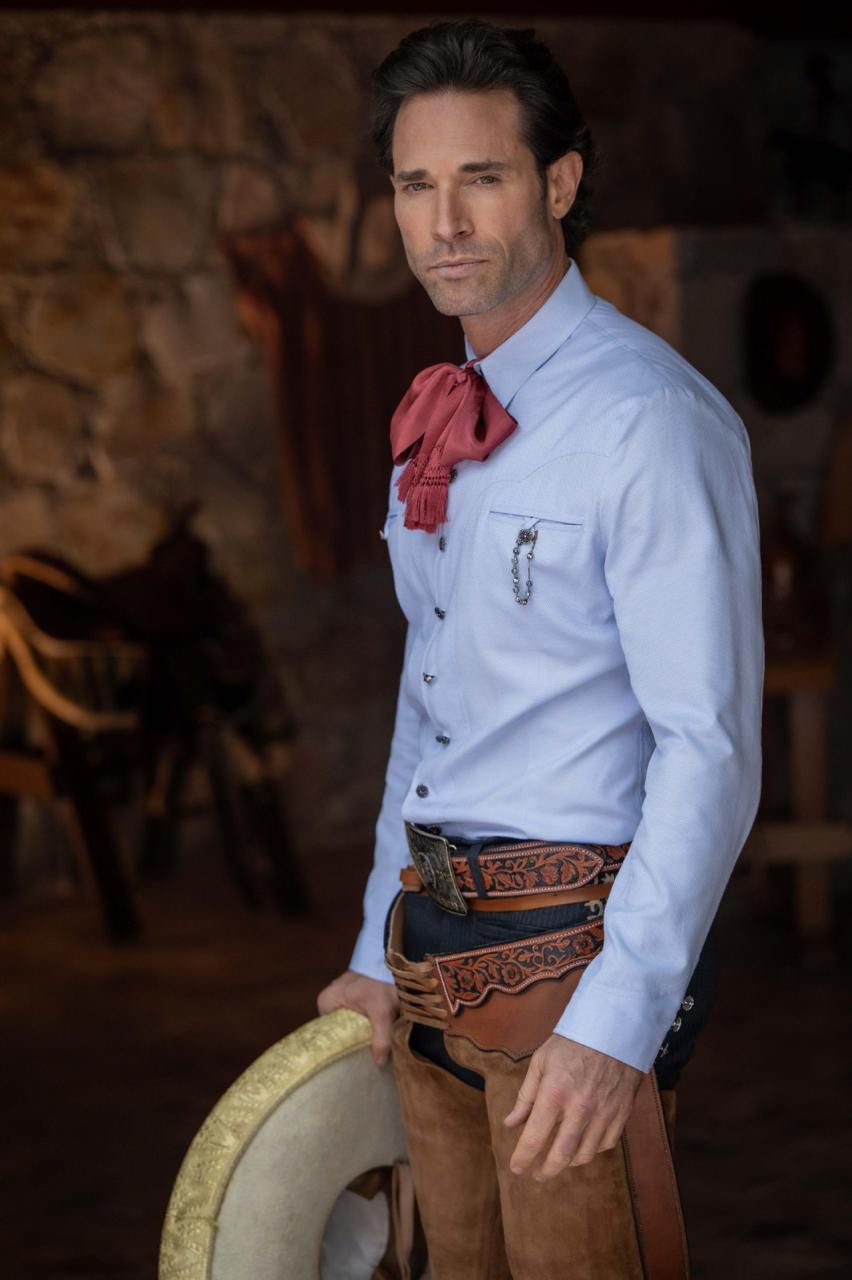
In a telenovela built around one of melodrama's most provocative setups, a man caught between a mother and her daughter, Rulli's wardrobe does far more than make him look handsome on horseback. It connects his character, Renato Tirado, to a visual tradition shaped by old-school icons, ranchera royalty, and the artisans who have spent decades keeping that image alive.
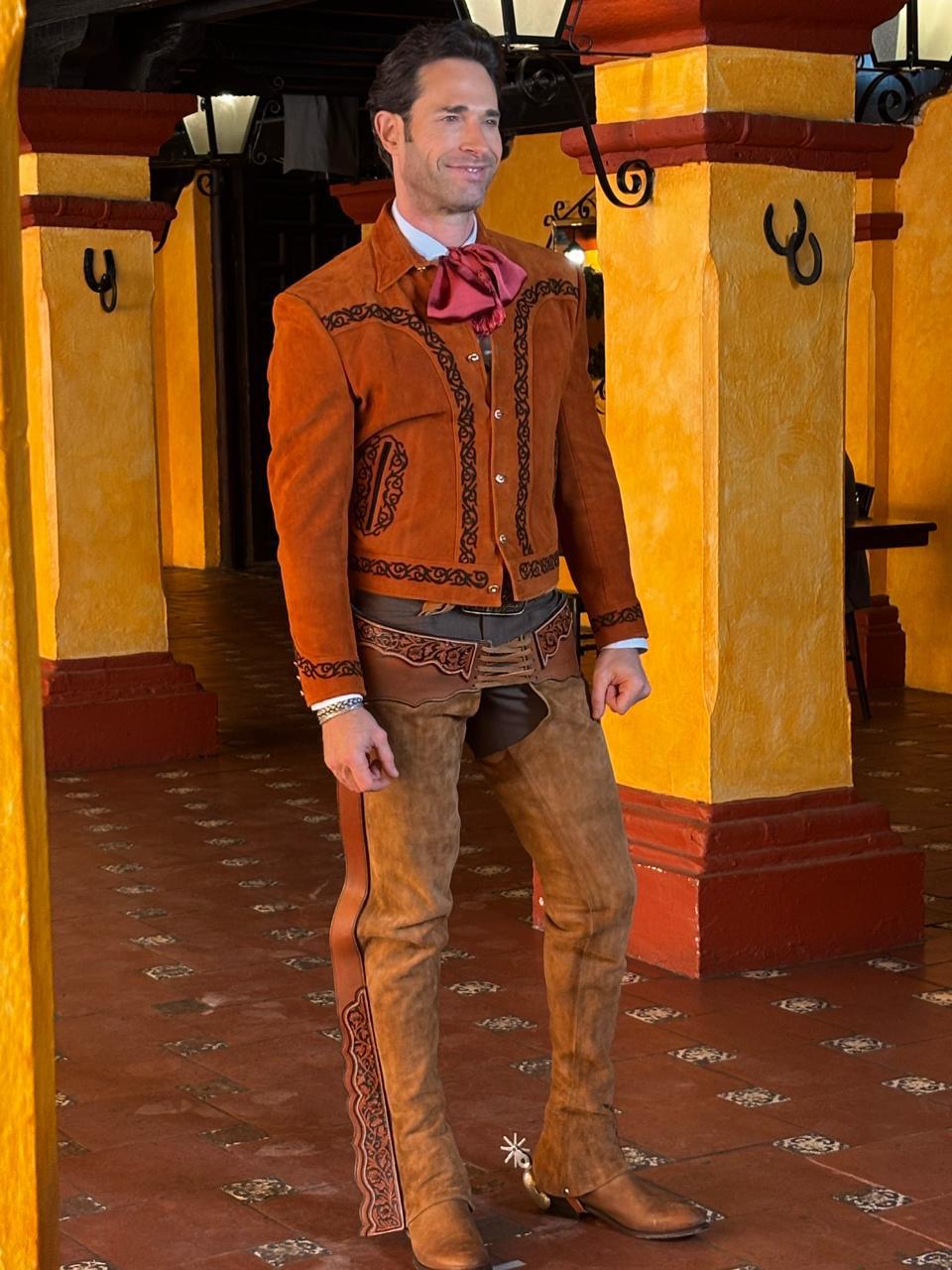
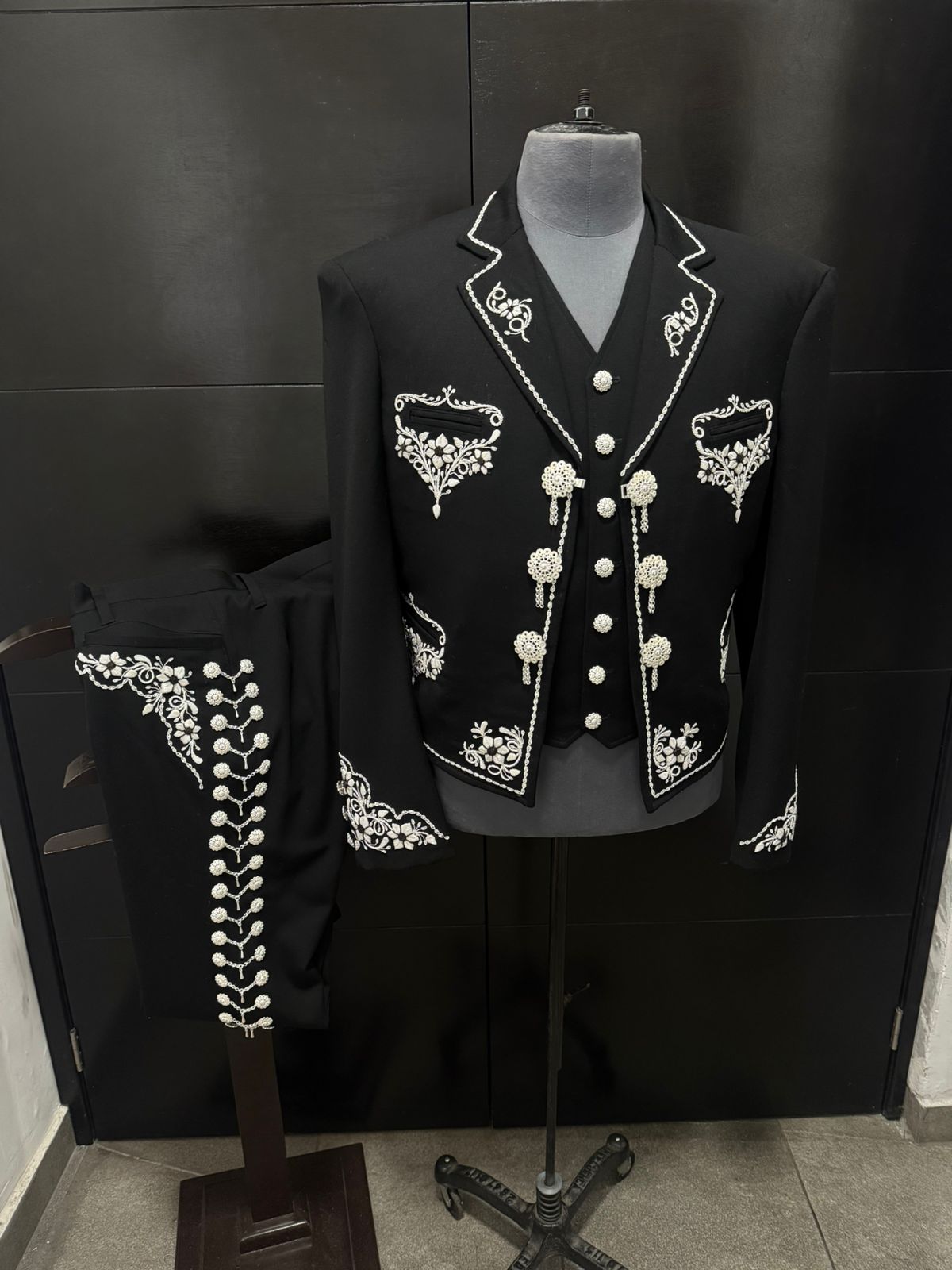
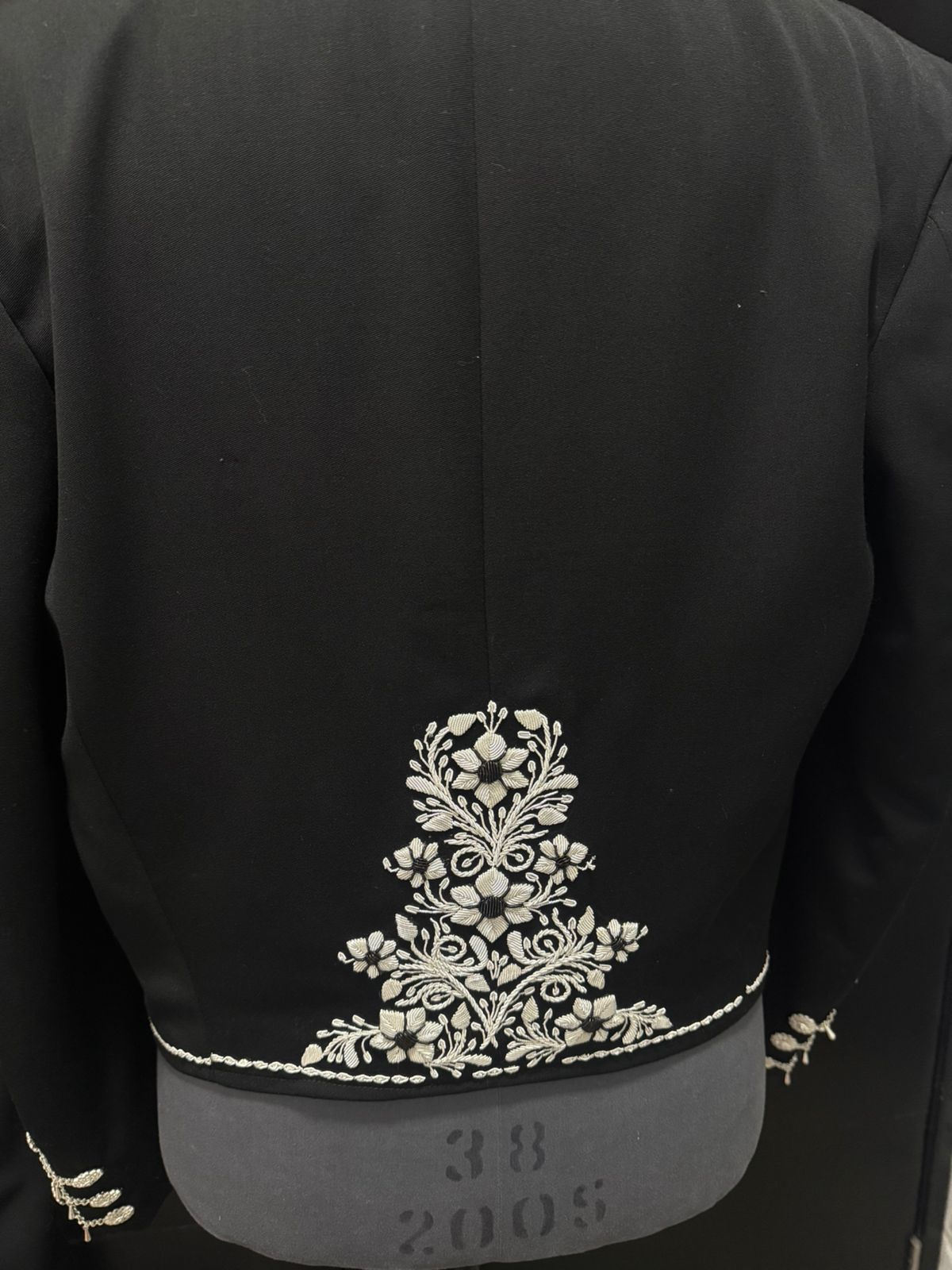
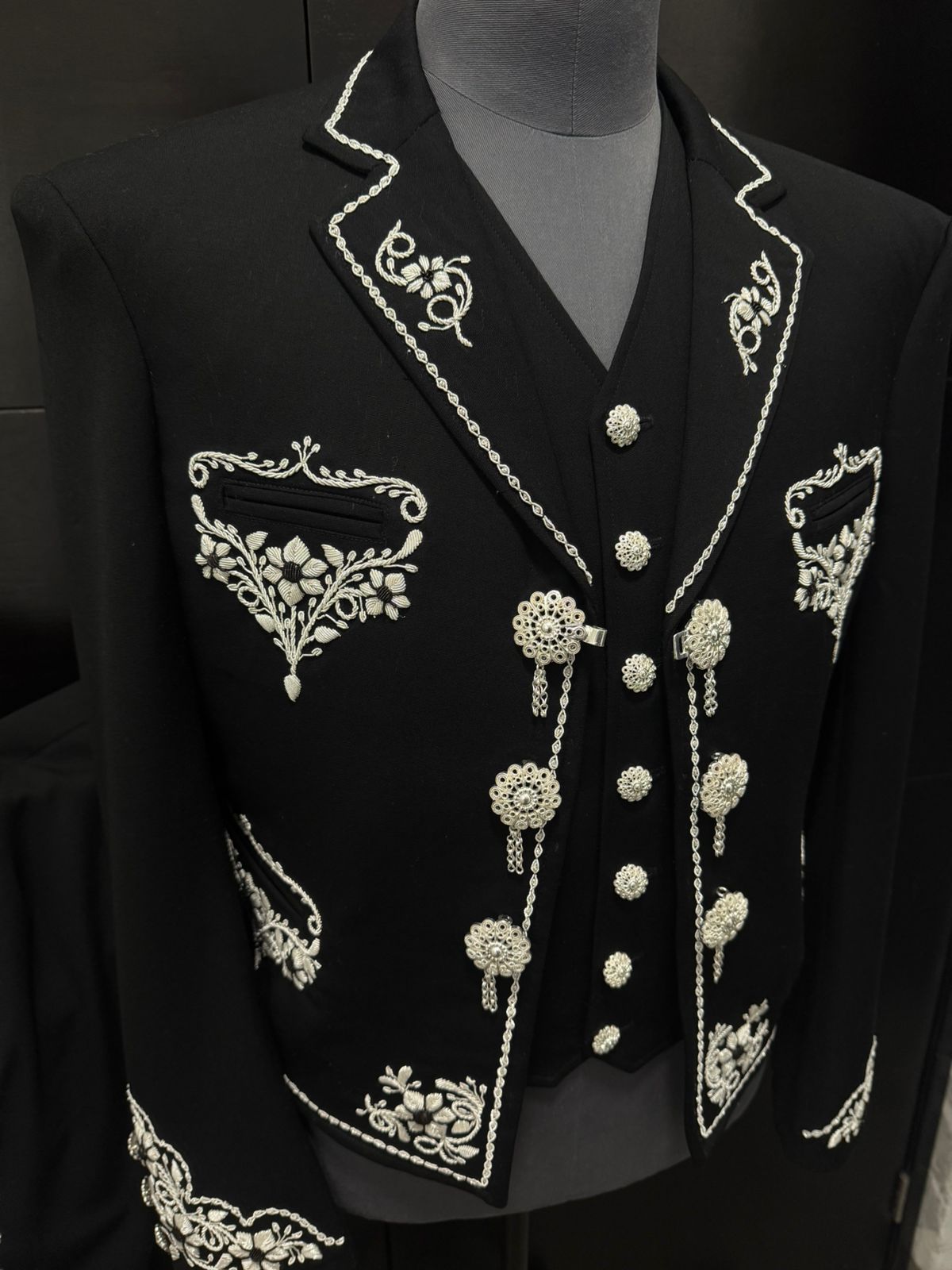
That hidden story starts with the makers behind the suits. Mi Rival's showrunner, Carmen Armendariz, explained to this reporter that Rulli's charro looks were "custom made using vintage fabrics, with multiple outfits created for different dramatic registers."
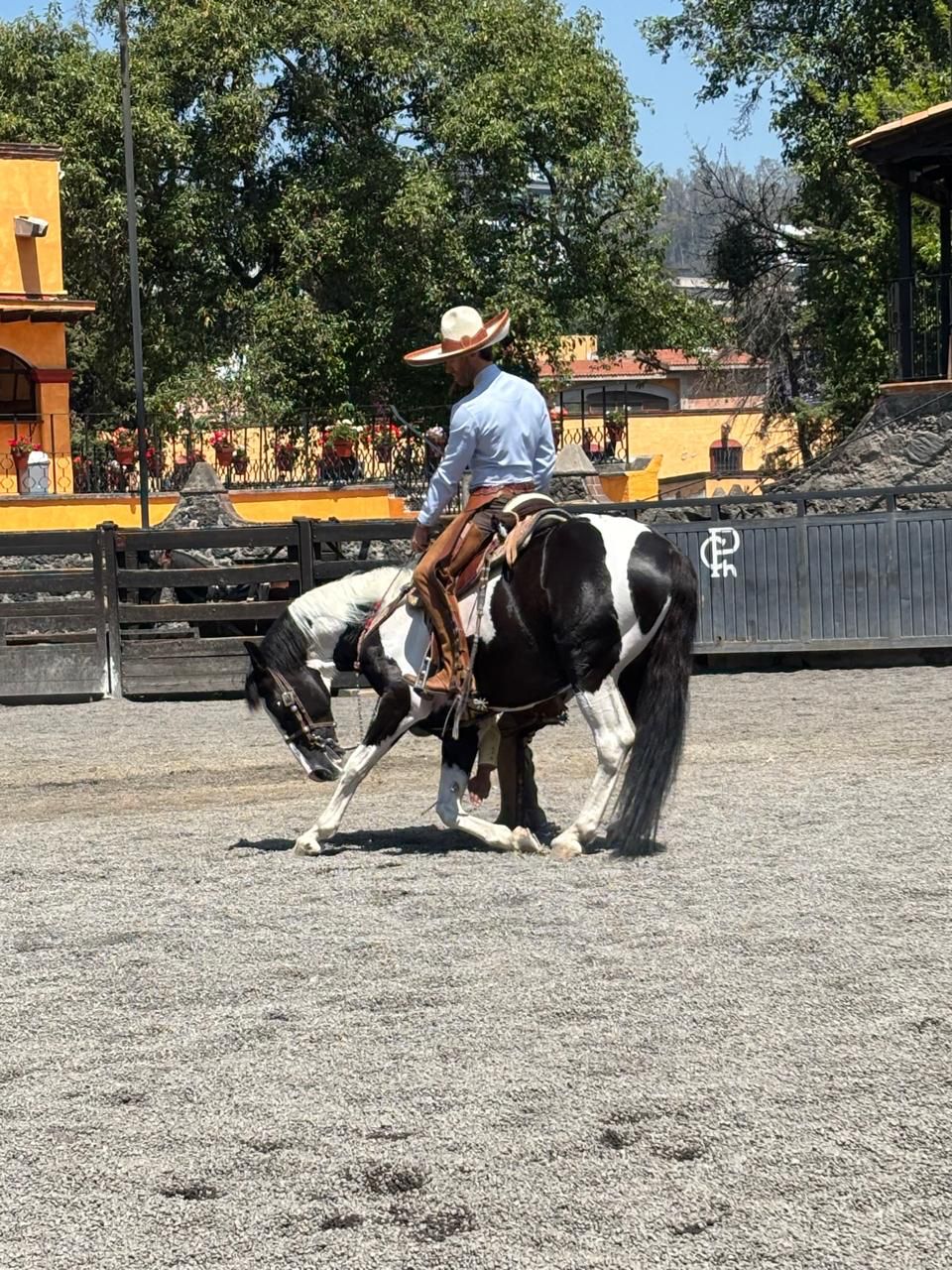
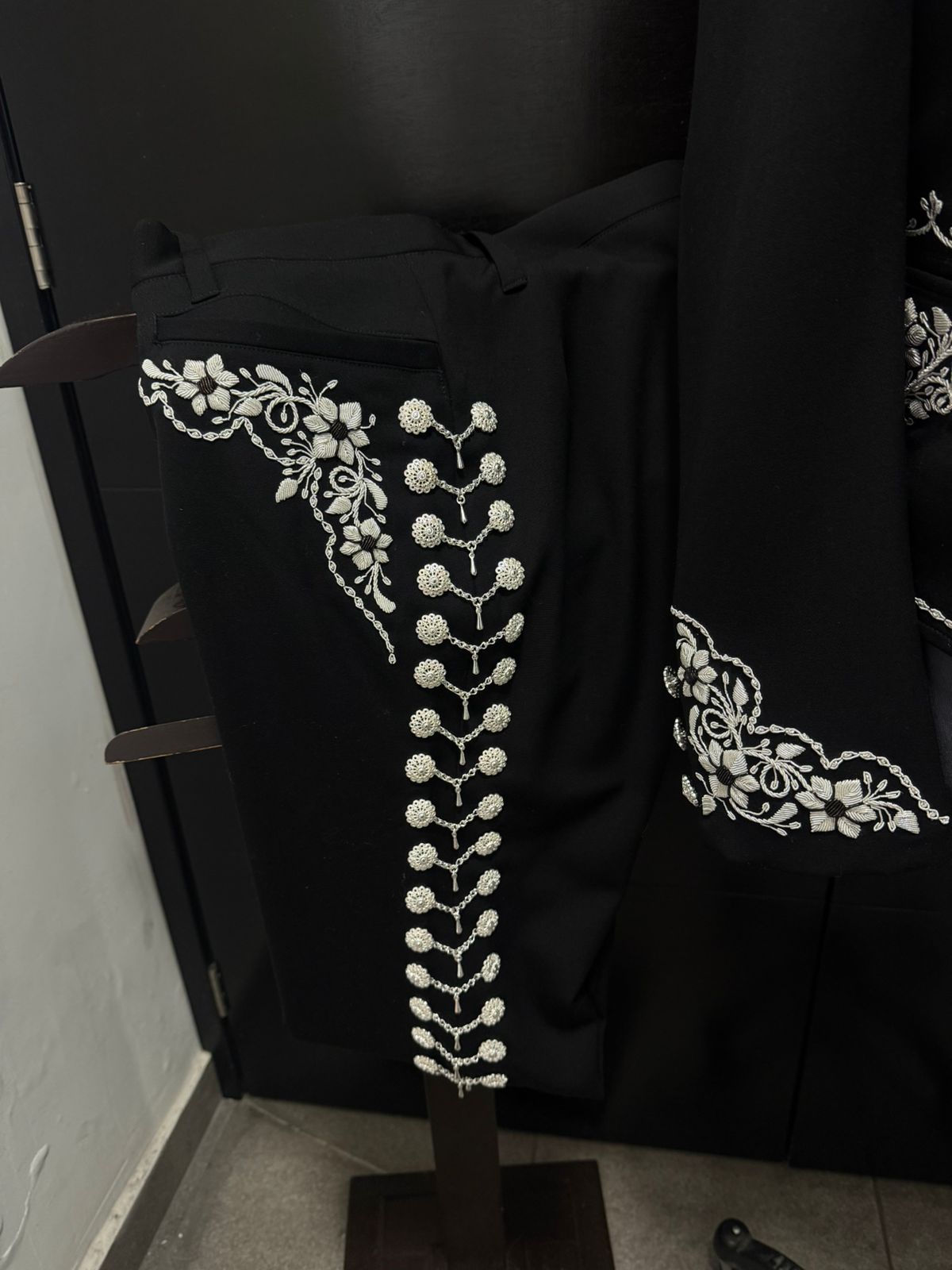
His Renato wardrobe includes two media gala suits, three faena suits, and a black gala suit embroidered in silver canutillo. The hats, chaparreras, and accessories were also built with a level of detail closer to ceremonial dress than costume department shorthand.
It was a deliberate choice by Armendáriz, who focused on making Mi rival a production rooted in authenticity, from its locations to its visual language.
Tradition and artisanship
The man tied to that wardrobe legacy is charro tailor Javier Morales, a third-generation charro suit artisan who comes from a family tradition that has dressed figures including mariachi legends Pedro Infante and Jorge Negrete.
Morales himself, with his company Dinastía Morales, has made suits for major regional Mexican stars such as Pepe Aguilar and Alejandro Fernández, as he has posted on his social media accounts. He is part of a living lineage in charro tailoring, one that continues to shape how masculinity, prestige, and Mexican identity are seen onstage and on screen. Morales is also responsible for the charro suits worn by Manuel García Rulfo in the movie version of Pedro Páramo, which can be seen on Netflix.
A visual wink with the Mexican roots of film and TV
That is what makes Rulli's costumes in Mi Rival more interesting than a standard telenovela makeover. The suits do not simply make Renato look ranch-ready. They place him inside a symbolic corridor that audiences already understand, whether consciously or not. Negrete and Infante helped turn the charro into a cinematic ideal of male authority and romantic magnetism in Mexican culture, a figure of discipline, pride, and performance. Aguilar and Fernández later carried that image into a modern musical era, preserving the silhouette while adapting it for contemporary stages and audiences.
Dressing Rulli in that same tradition gives Renato an inherited aura before the character even speaks.
That is where Mi Rival becomes especially clever. Armendariz wrapped a deeply contemporary emotional mess in one of the oldest visual codes in Mexican entertainment. In an interview for The Latin Times, Rulli, Alejandra Barros, and Ela Velden described the story as a revival of one of the genre's most taboo romantic structures.
Rulli's Renato arrives at a ranch in San Luis Potosí and becomes the emotional trigger for the rivalry between mother and daughter. The actor plays the role with the polished authority of a classic leading man, but the story keeps destabilizing that image.
Rulli himself leaned into the contradiction. In the interview, he joked about the impossible position his character occupies, telling viewers, "Put yourselves in my place. When two beautiful women are in love with you, how do you say no?" But he also pushed back on the idea that Renato is simply manipulating the women around him, saying that at first the character does not fully understand what is happening and gets pulled into something that grows beyond his control. That tension is exactly why the charro suits matter. They project certainty, command, and tradition, while the man inside them is moving through emotional chaos.
The same duality becomes physical through the suit. "It's gorgeous. It feels like wearing a jewel mixed with history and tradition, but it's also incredibly hard to put on and restricting. You learn to move differently and stand differently, and that makes you feel differently," told me Rulli after the press conference to present the telenovela in Mexico City.
The setting reinforces all of it. Mi rival was filmed in real locations across San Luis Potosí, including Hacienda La Ventilla in Villa de Reyes, a historic estate founded in 1606. Armendáriz explained that goal was to avoid artificiality and let the production breathe through real architecture, real landscapes, and real atmosphere. Against that backdrop, Rulli's charro suits stop feeling like wardrobe and start feeling like part of the land itself.
The cast and crew lived in the area during over four months while filming.
That is the hidden story behind Sebastián Rulli's charro suits in Mi Rival. They are not there simply to flatter a star or romanticize the countryside. They are there to place Renato inside a lineage. One that runs from the golden age of Mexican cinema to the Aguilar dynasty, through the hands of artisans like Javier Morales, and into a modern telenovela unafraid to put tradition face-to-face with desire, scandal, and a constant emotional mess. In Mi Rival, the charro suit is so much more than a costume for the leading man. It is character!
Mi Rival airs in the United States on TelevisaUnivision at 9 p.m. ET / 8 p.m. CT, and in Mexico on Las Estrellas at 9:30 p.m.
The series is also available to stream on ViX.
Originally published on Latin Times
Subscribe to Latin Post!
Sign up for our free newsletter for the Latest coverage!
© 2026 Latin Post. All rights reserved. Do not reproduce without permission.


