Sephora and Ulta Threatened as Asian Beauty Chain Expands US Stores, Giving Shoppers Affordable Options
The business plans to open around 40 new stores nationwide this year
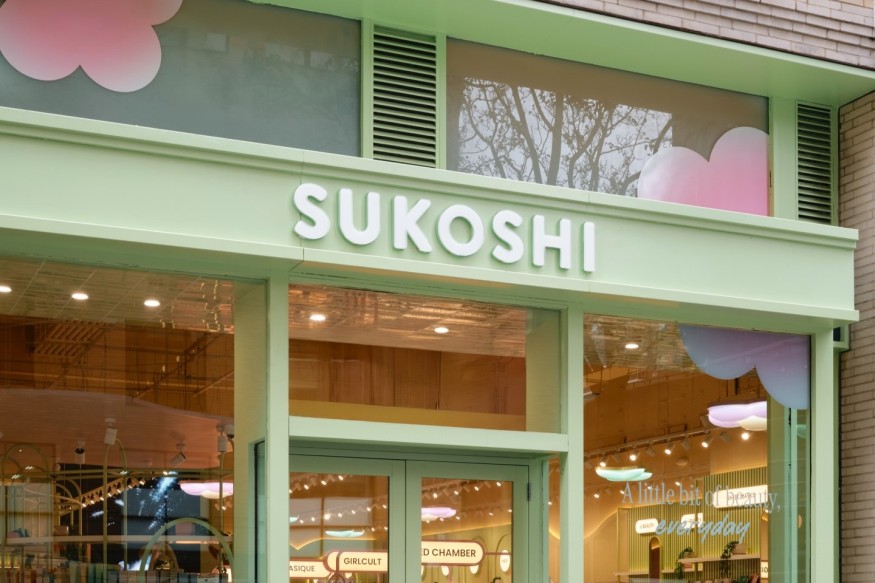
A new challenger is shaking up the beauty retail scene in the United States, which has long been dominated by Sephora and Ulta Beauty.
Sukoshi, a Canadian Asian beauty brand, is set to ramp up its growth in the US, with plans to open dozens of stores this year. It will offer a broad range of affordable Asian skincare, makeup, and beauty products. This comes at a time when demand for innovative and budget-friendly beauty solutions is rising, especially in younger consumer segments.
Retail giants Sephora and Ulta have enjoyed decades of market dominance in the US, with extensive nationwide footprints and deep product selections spanning luxury and mass beauty brands. Yet the surge of Sukoshi's growth and the broader influence of Asian beauty trends signal potential shifts in how American shoppers discover and buy beauty products.
What Is Sukoshi?
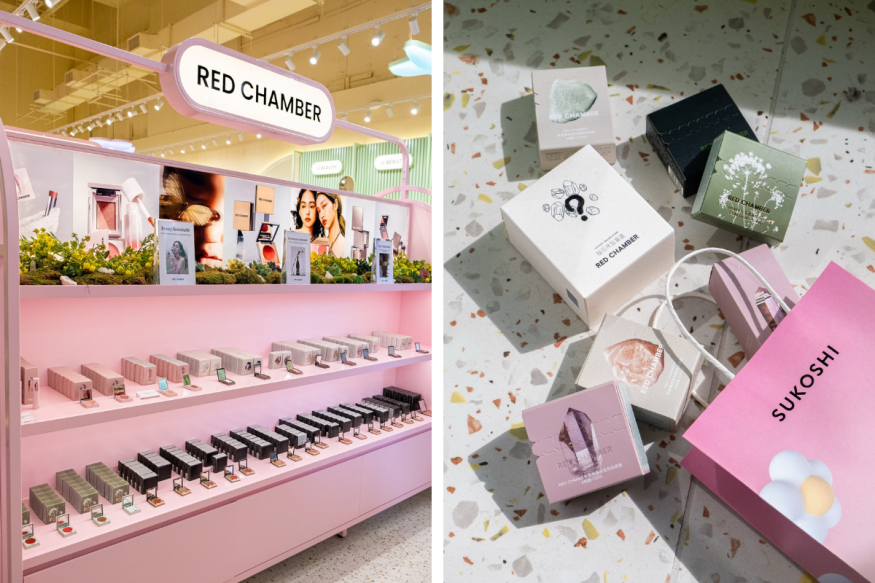
Founded in 2018 in Toronto, Sukoshi has quickly become one of North America's leading sources of Asian beauty products. The brand curates products from more than 200 Korean, Japanese, and wider Asian beauty labels, ranging from viral K-beauty serums and sheet masks to innovative skincare technologies. Sukoshi's retail concept emphasises accessibility and discovery, allowing customers to explore products in engaging store environments.
So far, Sukoshi has established a presence in key US cities including New York City, Atlanta, and Miami. This year, the company plans to open approximately 40 new stores nationwide, including locations at prominent shopping destinations. These include King of Prussia Mall (Pennsylvania), Lenox Square (Atlanta), Aventura Mall (Miami), and Bellevue Square (Washington).
The company CEO, Linda Dang, has been vocal about the cultural momentum behind Asian beauty. In a previous press release, she stated: 'Asian beauty isn't a passing wave, it is shaping the future of skincare and cosmetics.'
The Asian Beauty Sector
Asian beauty, particularly K‑beauty (Korean beauty), has surged in popularity worldwide over the past decade.
Social media platforms like TikTok and Instagram have fuelled this trend, showcasing innovative products and multi‑step routines that contrast with traditional Western options. The global rise of K-pop artists has also boosted the market, making K‑beauty a cultural and commercial phenomenon. These are the influences that reshape how consumers think about skincare and self-care today.
Recent strategies from established beauty players also reflect this shift. Sephora has partnered with Korean retailer Olive Young to introduce curated K-beauty zones in its North American stores, while Ulta has expanded its own K-beauty offerings through collaborations with specialist importers. These moves suggest mainstream retailers are eager to capitalise on the category's appeal.
Will Retail Giants Adapt or Lose?
The entrance of Sukoshi into the US market introduces a differentiated retail model that emphasises curated Asian beauty at accessible price points. For Sephora and Ulta, this represents both opportunity and competition. On one hand, increased interest in international beauty trends can drive overall category growth.
There is room for multiple players in the evolving beauty landscape. Specialty retailers like Sukoshi may not immediately dethrone industry leaders, but they can influence product assortment strategies and consumer expectations. The emergence of these challengers highlights the necessity for Sephora and Ulta to remain adaptable, especially when it comes to embracing cultural trends and adjusting pricing strategies.
Originally published on Fashiontimes UK
Subscribe to Latin Post!
Sign up for our free newsletter for the Latest coverage!
© 2026 Latin Post. All rights reserved. Do not reproduce without permission.


