Marjorie Taylor Greene District Flip? Republicans Alarmed Ahead of Georgia Special Election
Georgia’s 14th district may flip Democrat due to divided GOP support and Democratic momentum.

In a field of twenty-one candidates, the special election to replace Marjorie Taylor Greene in Georgia's 14th district - a longstanding GOP stronghold - may turn blue.
About 16 Republicans, 3 Democrats, 1 Independent, and 1 Libertarian will cast ballots starting on March 10. Christian Hurd, one of the Republican presidential candidates, withdrew just one day before the deadline.
A straightforward race becomes an unmanageable battlefield due to the sheer number of competitors. Each candidate is vying for a piece of the same cake, and voters are faced with a bewildering array of choices at the polls.
A divided vote could be a ticket to a Democrat, as Republican strategists are quick to point out.
After taking office in January 2023, Greene received 65.9 per cent of the vote, dominating the district.
The analysts add that the number of Republican challengers has now eroded the margin. The partisan confidence that once seemed unbreakable is now as fragile as a glass shattering on a narrow road.
The Trump Aspect
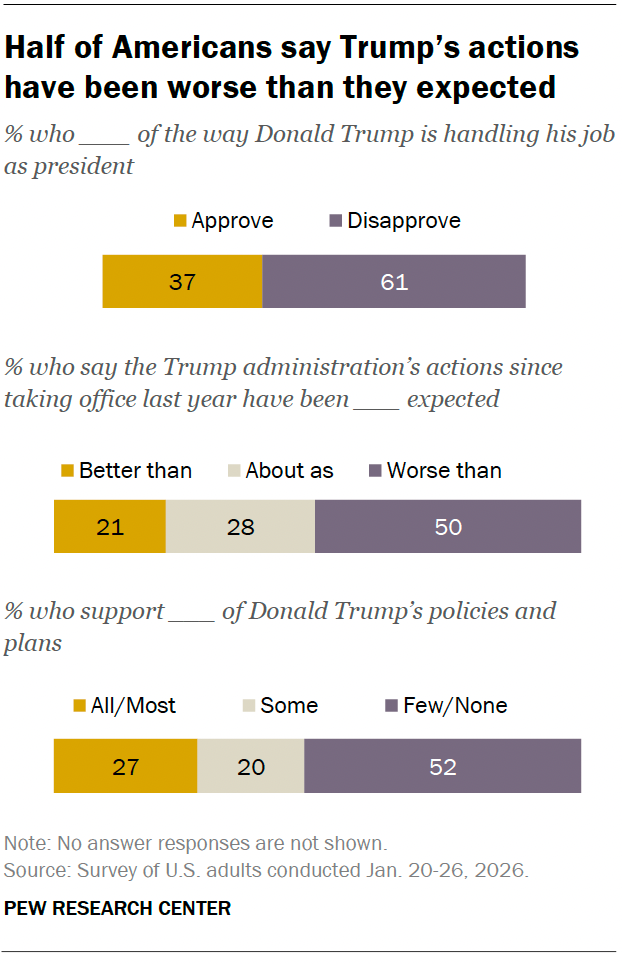
In a dispute with President Donald Trump, Greene shares the details of his departure. The congresswoman, a fervent supporter, publicly criticised Trump's foreign policy, health care, and his handling of the Jeffrey Epstein files.
She resigned in a video message in November 2025, departing on January 5.
Trump further widened the rift by calling her a 'traitor,' 'disgrace,' 'ranting lunatic,' and 'wacky.'
His backing of a Republican opponent heightened the sense that Trump's district's popularity might explode.
The Final Opportunity for a Democrat
Shawn Harris, a retired U.S. Rancher and brigade general in the Army. Nearly 135,000 votes went to him, the most Democratic votes the district has seen since its creation in 2010.
Harris has a relatable image because of his farmwork and military experience. Democrats find it refreshing in a district that has never been very blue; it is a determined dream that may very well come true.
The Stakes and Voter Pulse
One farmer in the district's suburbs of Winder claims that the ballot is like a web of options, with each option pulling in a different direction.
He is questioning whether it is time for a change or if voters will stick with their conservative predecessors. Meanwhile, one of the Marietta retirees recalls the 2016 election, when voters were thoughtful and determined.
In the long run, the seat will not be decided by the special election. A runoff between the two front-runners from the commonwealth will take place on April 7. Following a May primary, the entire two-year term will be contested in the general election in November.
The electorate still has a long way to go, and each time a voter examines the ballots, potential weighs heavily on him.
What's Going to Happen Next?
The GOP is more interested in a shift in narrative than in sheer numbers. The message that has kept the district Republican may be weakened by a crowded field.
The divisive rhetoric of Trump and his cult of personality, along with the domestic GOP squabbling, are likely to disillusion the voters, who may find solace in a Democrat's message of change.
The Democratic Party is already beginning to support Harris's candidacy in the hopes that her name will connect with the ideas of humility and discipline.
The 21-candidate race will test the electorate's appetite for change and the district's allegiance. This will be the ultimate test: will a red district flow blue or stay red? Voters alone will make the decision.
Nobody outside of Georgia will forget the outcome, which serves as a reminder that even deep-red trenches can collapse when unexpectedly strong currents are present.
Originally published on IBTimes UK
Subscribe to Latin Post!
Sign up for our free newsletter for the Latest coverage!
© 2026 Latin Post. All rights reserved. Do not reproduce without permission.


