Willie Colón, Architect of Modern Salsa and One of Latin Music's Most Fearless Innovators, Dies at 75
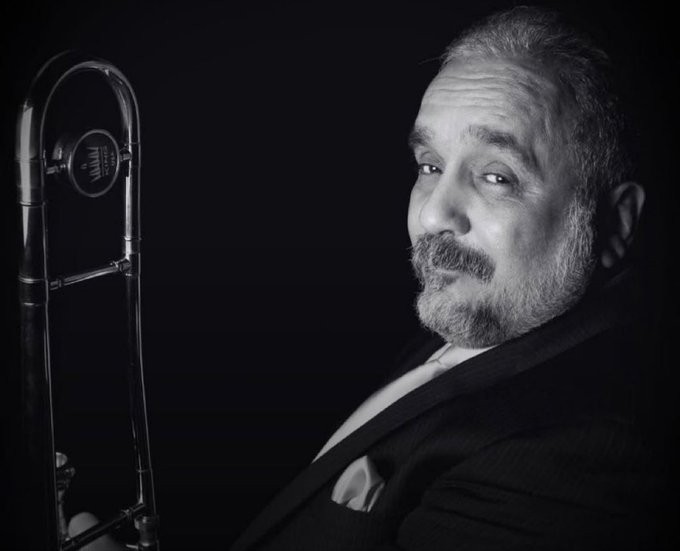
Willie Colón, the visionary trombonist, composer, producer and bandleader who helped build the foundation of modern salsa and transformed Latin music into a global cultural force, died on February 21, 2026. He was 75. His family confirmed his death in a public statement, saying he passed away peacefully, surrounded by loved ones.
Few artists shaped the sound, identity and ambition of Latin music as profoundly as Colón. Over a career that spanned more than five decades, he was not only a hitmaker but an architect, one who fused Afro-Caribbean rhythms with jazz, street narratives and political consciousness, creating music that danced and spoke at the same time.
Born William Anthony Colón Román on April 28, 1950, in the South Bronx, New York, to Puerto Rican parents, Colón came of age in a neighborhood where music was both escape and survival. The Bronx of the 1960s was loud, chaotic and alive, and those qualities would later define his sound. He began playing trumpet as a child before switching to trombone, drawn to its depth, power and expressive range. That choice would become one of the most influential decisions in salsa history.
Colón's rise began when he signed with Fania Records as a teenager, at a time when the label was shaping what would become the salsa movement. In 1967, he released El Malo, a debut album that announced a new voice in Latin music. Its aggressive trombone lines, gritty arrangements and unapologetic imagery stood in contrast to the polished tropical music of the era. Salsa, under Colón's direction, became urban, confrontational and unmistakably New York.
His early partnership with singer Héctor Lavoe produced a run of albums that are now considered canonical. Together, they gave voice to the struggles, humor and contradictions of Latino life in the diaspora. Their music was rooted in the barrio, reflecting migration, poverty, resilience and pride. Colón's arrangements were muscular and inventive, while Lavoe's voice carried vulnerability and swagger in equal measure. The chemistry was electric, and its impact remains immeasurable.
In the late 1970s, Colón entered another defining chapter of his career through his collaboration with Panamanian singer-songwriter Rubén Blades. Their 1978 album Siembra was a turning point not only for Colón but for salsa as a genre. Blending sophisticated songwriting with Colón's ambitious production, the album elevated salsa into a platform for storytelling and social commentary. It became one of the best-selling salsa albums of all time and remains a landmark in Latin music history.
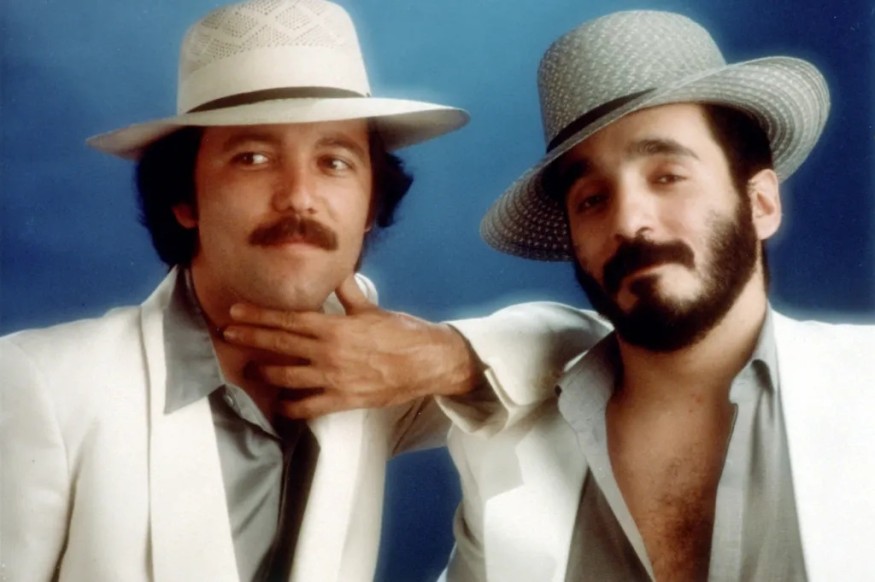
Unlike many of his contemporaries, Colón consistently pushed beyond formula. He experimented with orchestration, embraced political themes and resisted the idea that Latin music should remain apolitical or purely escapist. Songs like El Gran Varón challenged social norms and confronted issues of identity, intolerance and family rejection, topics rarely addressed so directly in mainstream Latin music at the time. The song's lasting resonance underscored Colón's belief that music could provoke empathy as well as movement.
Colón was also a prolific producer and collaborator, working with artists such as Celia Cruz, Ismael Miranda and members of the Fania All-Stars. His work helped define the golden era of salsa while influencing generations of musicians who followed. Even as musical trends shifted, his fingerprints remained visible across Latin jazz, salsa dura and contemporary Latin music.
Beyond the stage and studio, Colón was deeply engaged with social and political life. He was outspoken, opinionated and unafraid of controversy, qualities that made him both admired and polarizing. He ran for public office in New York, advocated for Latino representation and frequently used his platform to address immigration, inequality and cultural identity. For Colón, music and citizenship were inseparable, and he viewed the artist as a participant in civic life, not an observer.
In later years, Colón stepped back from constant touring but never fully retreated from public discourse. He remained active as a commentator, mentor and cultural reference point, often weighing in on the state of Latin music and the industry he helped build. His influence could be heard not only in salsa but in the broader evolution of Latin music as it entered global mainstream spaces.
Tributes poured in following news of his death, with artists, producers and fans honoring his legacy as both a musician and a cultural pioneer. For many, Colón represented a generation that fought for visibility, dignity and artistic control at a time when Latin artists were routinely marginalized by the mainstream industry.
Willie Colón leaves behind a body of work that continues to sound urgent, alive and uncompromising. His music did more than define a genre, it told the story of a people navigating identity, displacement and pride through rhythm and brass. He transformed the trombone into a voice of defiance and celebration, and in doing so, reshaped the sound of Latin music forever.
His legacy endures not only in classic recordings and sold-out concerts remembered by fans, but in the freedom and ambition with which Latin artists now approach their craft. Willie Colón did not simply make salsa louder or more complex, he made it matter.
Originally published on Music Times
Subscribe to Latin Post!
Sign up for our free newsletter for the Latest coverage!
© 2026 Latin Post. All rights reserved. Do not reproduce without permission.


