ICE Accused of ‘Abuse of Power’ After Leaving Vietnam War-Style Ace of Spades ‘Death Cards’ in Colorado Raids
ICE agents allegedly left ace of spades cards in vehicles of detained immigrants.
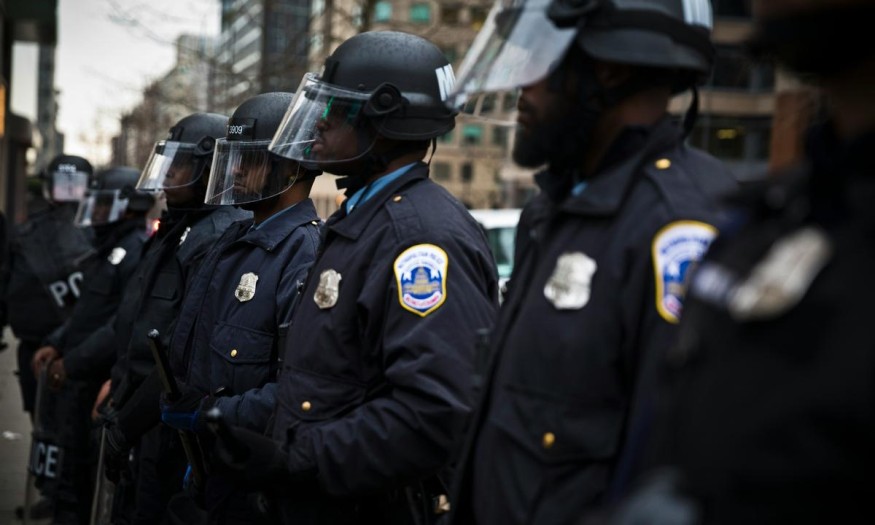
US Immigration and Customs Enforcement (ICE) is facing accusations of abuse of power after playing cards marked with an ace of spades, historically linked to psychological warfare, were found in the vehicles of people detained in Eagle County, Colorado.
Federal immigration officials confirmed that the Department of Homeland Security (DHS) is investigating the incident after advocacy groups reported the discovery of the cards in cars left behind during ICE actions the week of 18 January 2026. The controversy has ignited sharp criticism from immigrant advocates and prompted ICE to condemn the conduct and initiate internal reviews.
Allegations and Community Backlash
Immigrant advocacy organisation Voces Unidas de las Montañas first publicised the episode in a letter to the Eagle County community, noting that at least nine people were detained by ICE agents near restaurants, hotels and on Highway 6, with local residents witnessing the enforcement actions directly.
Family members and community witnesses later found ace of spades cards inside the vehicles abandoned after the detentions, according to reports. The cards were printed with contact information for the ICE Denver Field Office and the GEO immigration detention facility in Aurora.
In Colorado, ICE agents are leaving these cards in vehicles of people they’ve detained.
— Ali Winston (@awinston) January 25, 2026
During Vietnam, American soldiers would often mark the bodies of Vietnamese they’d killed with the Ace of Spades pic.twitter.com/s9EI45Trs2
Alex Sánchez, president and CEO of Voces Unidas, described the practice as deliberate intimidation aimed at the Latino community, linking the use of the card to a long history of racialised violence. He characterised the act as a racist symbol and an abuse of power that 'has no place in any society that claims to value human dignity.'
The ace of spades card carries a broader cultural resonance. Historically known in military lore as a 'death card,' some US soldiers used it during the Vietnam War as part of psychological operations, left at battlefield sites and on bodies as a symbolic message of death or defeat. Various groups have also adopted the card's symbolism for intimidation outside of its original context.
🇺🇸 ICE INVESTIGATING AFTER ACE OF SPADES CARDS FOUND IN CARS TIED TO COLORADO DETENTIONS
— Mario Nawfal (@MarioNawfal) January 24, 2026
ICE says they didn't do it and are investigating.
Ace of spades cards printed with ICE facility info were found in vehicles connected to recent detentions in Colorado's Eagle County.… pic.twitter.com/XLaD8BzaPS
Advocates assert that the placement of such a symbol in connection with federal detentions echoes those psychological connotations and exacerbates fear among immigrant communities already wary of enforcement tactics.
ICE Response and Federal Scrutiny
ICE and DHS have responded to the controversy by condemning the conduct and announcing a formal investigation. A DHS spokesperson stated that the agency 'unequivocally condemns this type of action and/or officer conduct,' adding that supervisors acted swiftly once the conduct was brought to their attention.
The ICE Office of Professional Responsibility has been tasked with examining what occurred and determining appropriate actions.
ICE's response emphasises the agency's commitment to maintaining enforcement professionalism. The spokesperson emphasised that such conduct was not authorised by agency policy and that steps are being taken to determine how the cards were used.
Despite this statement, critics argue that the incident reflects deeper issues in the agency's approach to immigration enforcement, particularly in Colorado, where aggressive tactics have already drawn legal challenges.
Perspective From Affected Communities
Community members in Eagle County and surrounding mountain towns have voiced alarm at the perceived messages conveyed by the cards. Workers and families, many of whom had witnessed agents conducting traffic stops or surveillance near workplaces, described a pervasive sense of unease following the detentions.

Critics argue that symbolic acts, intentional or not, have a material impact on the psychological well-being of targeted communities. Civil liberties groups assert that actions lacking a clear operational justification should be examined within the wider framework of civil rights and law enforcement accountability.
ICE, for its part, has reiterated its commitment to lawful and professional conduct during enforcement operations. However, with legal injunctions and civil suits pending, the agency's practices in Colorado are likely to remain under close judicial and public scrutiny.
In the shadows of highway rims and valley towns where these detentions occurred, the debate over immigration enforcement methods and the messages they send continues to intensify.
ICE now faces questions about its conduct and accountability.
Originally published on IBTimes UK
Subscribe to Latin Post!
Sign up for our free newsletter for the Latest coverage!
© 2026 Latin Post. All rights reserved. Do not reproduce without permission.


