Doctor Found Dead in Dollar Tree Freezer: Autopsy Reveals Chilling Cause
The untimely death of Dr. Garay Sanchez raises questions about safety and accountability.
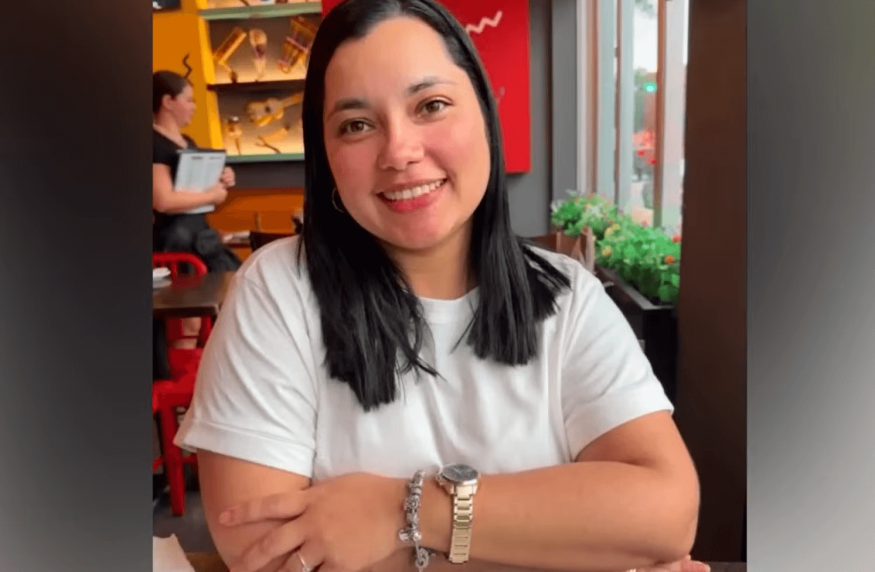
The fluorescent lights inside a discount store in Little Havana are not supposed to illuminate tragedy. They flicker over plastic storage boxes and seasonal tinsel, over bargain sweets and paper plates. They hum, they glare, they make everything feel mundane. But behind one staff-only door, in the hard, mechanical cold of a walk-in freezer, something happened that still refuses to feel real.
In December, employees at a branch of Dollar Tree opened that freezer and found the body of a woman lying inside. She was naked. She was 32 years old. She was a doctor.
Her name was Helen Massiell Garay Sanchez — an anaesthesiologist and mother of two, visiting from Nicaragua. The early headlines were blunt and bewildering: doctor found dead in shop freezer. No immediate signs of violence. No reports of a struggle. Just a locked-in cold and a life abruptly ended.
When the autopsy findings were released by the Miami-Dade County Medical Examiner's Office, they offered clarity — but not comfort. The cause of death was environmental hypothermia. Alcohol was listed as a contributing factor. In official terms, it was a tragic accident.
But human beings don't process loss in official terms.
A Quiet Walk Into Danger
According to investigators, CCTV shows Dr. Garay Sanchez entering the store alone late at night. She didn't appear distressed. She didn't purchase anything. At some point, she moved beyond the public shopping area into a restricted staff zone where the freezer was located.
Police have said there is no evidence that anyone forced her inside. No indication of foul play. She was alone.
And yet that detail — alone — only deepens the ache of it.
Walk-in freezers are industrial spaces. Heavy doors. Sub-zero temperatures. Air that steals heat from skin in seconds. They are not designed to forgive mistakes. If someone enters impaired, disoriented, or confused, the margin for survival shrinks fast.
When The Body Turns On Itself
One of the most unsettling aspects of the case is that Dr. Garay Sanchez was found without clothing. For many, that detail initially raised darker suspicions. But medical experts point to a known phenomenon in severe hypothermia called paradoxical undressing.
As the body's core temperature plummets, blood vessels can suddenly dilate, creating a powerful — and false — sensation of warmth. Victims, confused and cognitively impaired, may remove their clothes despite being in a lethal cold. It is counterintuitive and deeply tragic.
Toxicology results indicated alcohol in her system above the legal driving limit in the United States. Alcohol dulls judgment. It slows reaction time. It interferes with the body's ability to regulate temperature. In freezing conditions, those effects can be fatal.
Still, explanation is not the same as understanding.
A Family Searching For Accountability
Dr. Garay Sanchez was not just a headline. She was a specialist physician. A mother. A daughter. Her family has since filed a wrongful death lawsuit against Dollar Tree, arguing that hazardous areas within a retail premises should have been properly secured.
From their perspective, this wasn't just a tragic misstep — it was preventable.
Authorities maintain there is no evidence of criminal conduct. Legally, the case may centre on safety procedures and duty of care rather than intent. Emotionally, it is far messier than that.
A woman trained to keep others alive died alone in the cold of a shop freezer. A routine evening turned irreversible. And while the medical cause has been established, the deeper 'why' still lingers in the fluorescent half-light.
Because sometimes the facts are clear — and the heartbreak is not.
Originally published on IBTimes UK
Subscribe to Latin Post!
Sign up for our free newsletter for the Latest coverage!
© 2026 Latin Post. All rights reserved. Do not reproduce without permission.


